
There are lots of things about Close Encounters I’m pleased about.
For one thing, the rules are robust and snappy – I was always fairly confident about that, but it’s nice that it’s stayed true through all the revisions and tweaks that have been made.
Another good point is that the flavour text is (in the words of a playtester) “surprisingly non-cringe-inducing”. That sounds close enough to being a compliment to me; I’ll take it! I’m not putting this in the category of epic fiction, but it’s good to know that it’s making a positive contribution to the experience people have of the game.
But there are only three things that I could really say I’m proud of.
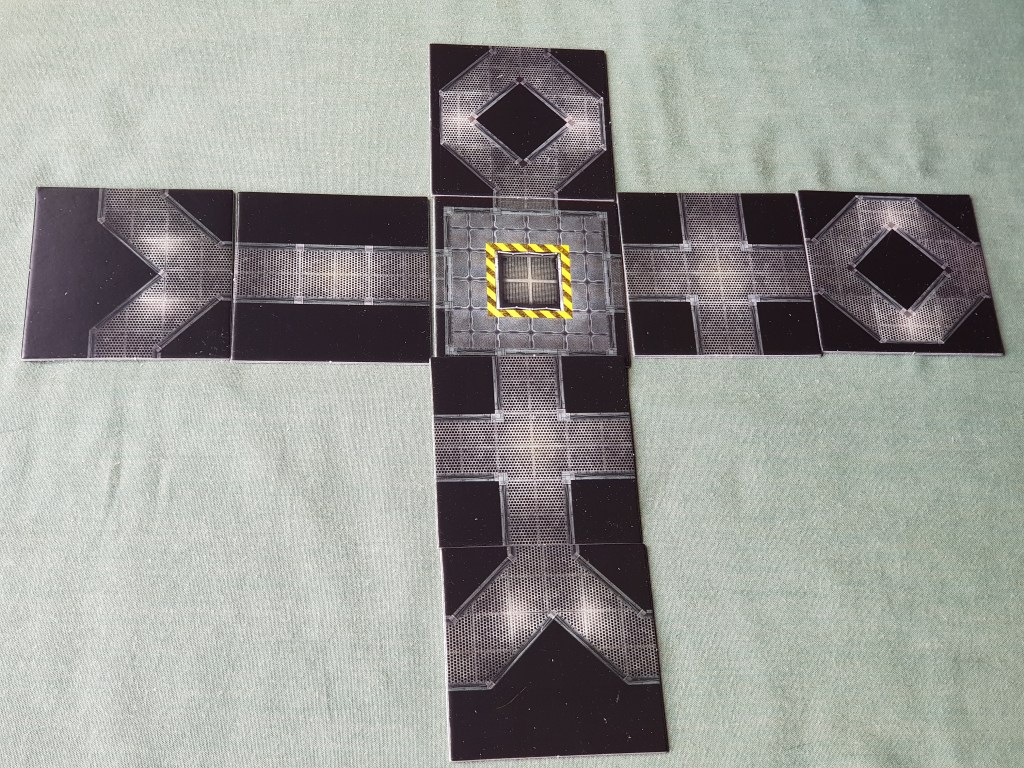
The first thing is the tiles. I tried for months to find an artist to take on the job of producing art for the tiles, but it never worked out. In fact, one person took a down-payment and then vanished, which rather soured me on the whole idea. In the the end, I had to do it myself – I got to grips with a graphics programme, found textures which were free for commercial use, and bodged everything together. I’m honestly surprised they turned out as well as they did, and I’m proud I was able to make them look okay.
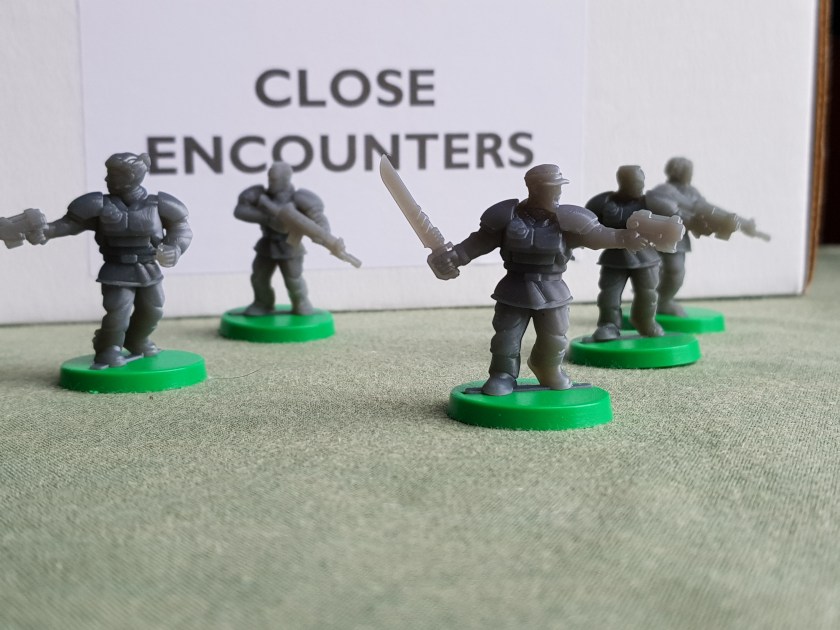
The second thing is the figures. Again, I spent a great deal of time (and a fair bit of money) trying to find a source of suitable figures. It looked like I had managed it at one point, but then Covid came along and wrecked international supply lines. That didn’t just mean I had trouble getting figures from the supplier; it also meant they couldn’t be sure of having figures to provide. Supplies arriving slowly is one thing, being unsure of whether supplies will be available at all is another.
Just like the tiles, I ended up having to do it myself. Fortunately, there were also some suitable 3d models available free for commercial use. I found them, learned how to edit them, and assembled them into the figures. After my first attempt at this it was clear that a) the process was viable, and b) I needed to be able to prototype designs quickly. So I bought a 3d printer and figured out how to use that too. A lot of effort has gone into these figures, and I’m proud they look as good as they do.
But you know what? Despite everything I’ve achieved with them, neither the tiles nor the figures are the part of Close Encounters that I’m proudest of.
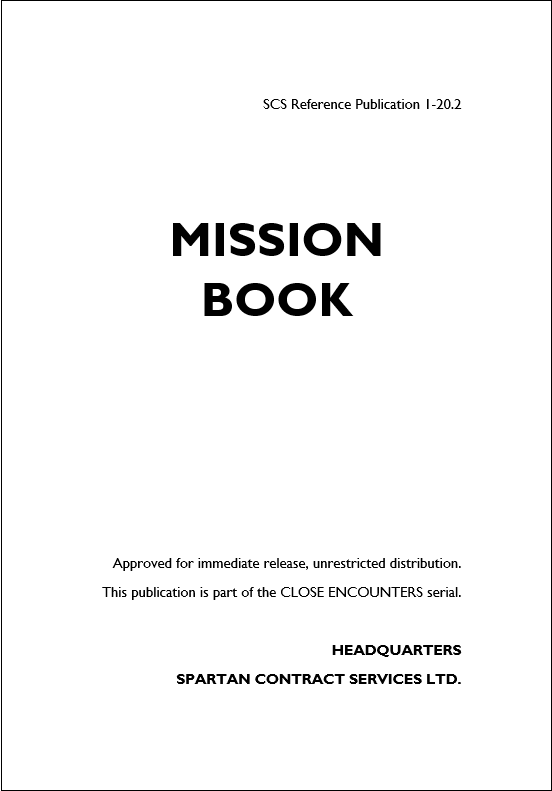
This is.
I know it doesn’t look very impressive on the outside, but a lot of ingenuity went into this thing. The missions in it hopefully all play out differently, and are just as fun and challenging no matter how many players are involved. The system for randomly choosing a mission, combined with the way map tiles are placed as the troopers explore, means the replay value of Close Encounters is high.
The value doesn’t stop there, though. A selection of optional rules to apply to troopers or bugs, which can also be chosen randomly, adds new challenges and provides an easy way to balance to difficulty of the game. Combine that with the random missions and tile placement, and you have a huge number of possible ways to play.
Finally, if you’re stuck in isolation or just want an evening to yourself, there are also rules for solo play. Let’s be honest; the game is always going to be better if you have someone else to play it with… but you can still have fun with the game even if you don’t.
I believe there’s a great deal of value packed into the Close Encounters box. The rules are good, the fiction is cool, and the tiles and figures contribute a lot to it. Even if there was only one mission, it would still be a good game. But the Mission book makes it so much better.
And that’s why it’s the thing I’m proudest of.
 Encounter Table Games